

How to Decorate a Coastal Living Room

A coastal living room should feel relaxed, comfortable, and effortlessly inviting. Inspired by the colors, textures, and natural beauty of the coast, coastal style brings an airy quality to a space without requiring a room full of seashells or nautical decor.
Whether you live near the water or simply love the laid-back feeling of coastal interiors, creating the look is all about thoughtful layers. Start with a soft color palette, incorporate natural materials, and choose pieces that feel comfortable and collected rather than overly coordinated.
Here are seven simple ways to create a beautiful coastal living room.

1. Start With a Soft, Coastal Color Palette
The foundation of a coastal living room is a light, calming color palette. Think warm whites, soft creams, sandy beige, muted blues, and subtle shades of green.
Rather than relying on bright colors, choose tones that feel naturally inspired by the coast. A warm neutral sofa can create a versatile foundation, while blue pillows, artwork, or other accents can bring in just the right amount of color.
You can also layer different shades of the same color throughout the room. Combining ivory, cream, beige, and natural wood tones creates depth while keeping the overall space feeling light and relaxed.

2. Choose Comfortable, Relaxed Furniture
Coastal interiors should feel lived-in and welcoming, so comfort is key when choosing living room furniture.
Look for sofas and chairs with relaxed silhouettes, soft upholstery, and natural fabrics. Slipcovered furniture, linen-inspired upholstery, and plush seating all work beautifully in a coastal space.
For tables and case goods, natural wood is an easy way to introduce warmth. A wood coffee table or side table can balance lighter upholstery while adding an organic element to the room.
The goal isn't to make every piece match. Instead, choose furniture that feels cohesive but collected, as though the room has come together naturally over time.

3. Layer Natural Materials & Textures
Texture is one of the easiest ways to make a coastal living room feel interesting without relying on lots of color.
Natural materials such as rattan, wicker, seagrass, jute, wood, cotton, and linen bring warmth and dimension to the space. Try combining several of these materials throughout the room rather than concentrating them in one area.
For example, pair a woven accent chair with a natural fiber rug, a wooden coffee table, and soft cotton pillows. The combination creates visual interest while maintaining the relaxed feeling that makes coastal design so appealing.
Don't be afraid to mix textures, either. A room filled entirely with smooth surfaces can feel flat, while layered materials make a neutral space feel warm and inviting.

4. Bring in Coastal-Inspired Artwork
Artwork is an opportunity to bring the feeling of the coast into your living room without making the space feel themed.
Ocean photography, soft landscapes, abstract artwork, botanical prints, and paintings inspired by water and nature can all work beautifully. Look for pieces with organic shapes and colors that complement the rest of your room.
A large piece of artwork above the sofa can create a focal point, while a collection of smaller pieces can create a more collected look.
When choosing artwork, think about the feeling you want the room to have rather than looking specifically for something labeled “coastal.” Sometimes the most sophisticated coastal spaces are inspired by the ocean without depicting it literally.

5. Add Blue in Subtle Ways
Blue is one of the classic colors associated with coastal interiors, but it doesn't need to dominate the room.
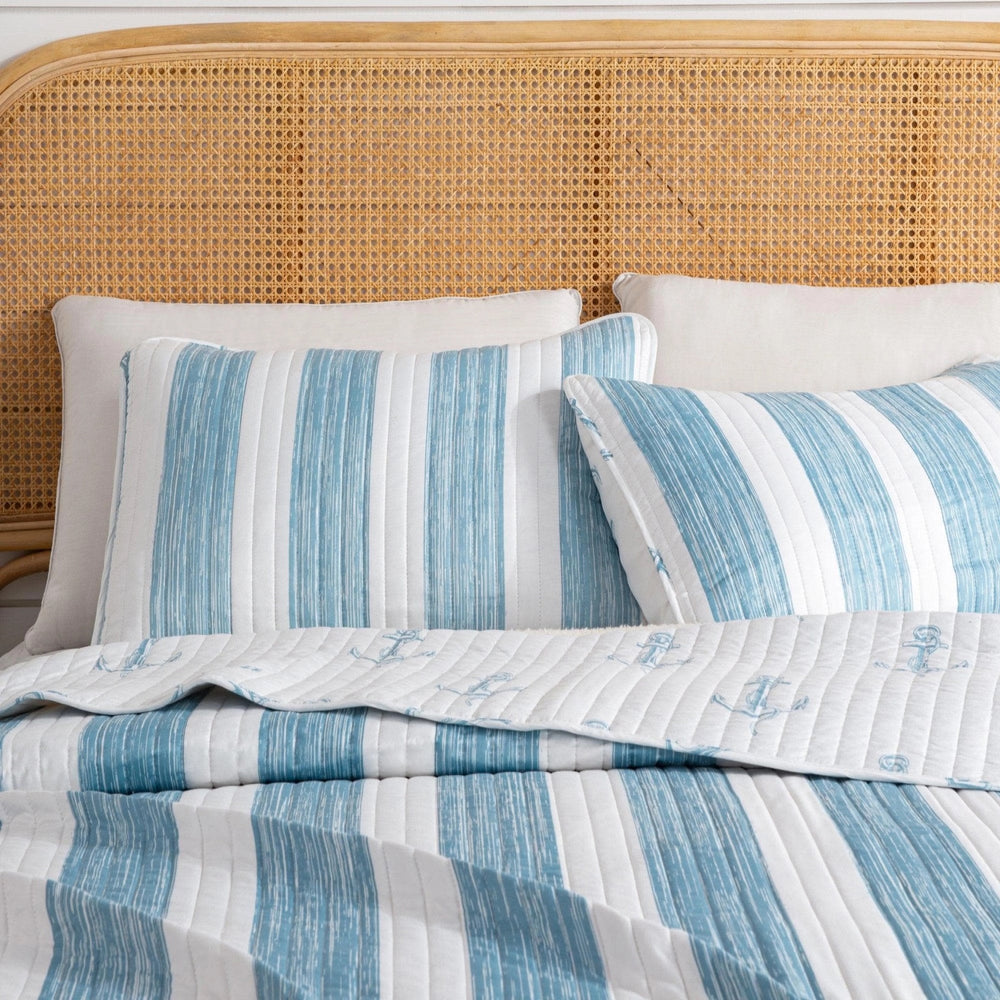
Try incorporating blue through smaller accents such as throw pillows, blankets, artwork, ceramics, or decorative objects. Soft dusty blue, faded denim, sea-glass tones, and deeper navy can all work depending on the overall style of your home.
If your living room is primarily neutral, even a few touches of blue can create that unmistakable coastal feeling.
For a more modern look, pair blue with warm neutrals and natural wood rather than using a lot of crisp white and bright navy. The result feels softer, warmer, and more sophisticated.


6. Finish With Thoughtful Accessories
The finishing touches are what make a living room feel personal.
Layer your sofa with a combination of pillows and a relaxed throw blanket. Add baskets for storage, a few coffee-table books, a decorative bowl, or a collection of objects that reflect your personality.
Natural elements work particularly well in coastal spaces. Dried branches, greenery, woven baskets, and organic decorative pieces can add life without overwhelming the room.
The key is to resist the urge to fill every surface. A few thoughtfully chosen accessories will have a greater impact than a room filled with small decorative objects.

7. Avoid Making the Room Feel Too Themed
Perhaps the most important rule of coastal decorating is knowing when to stop.
A coastal living room doesn't need anchors, seashells, starfish, or nautical signs to communicate its style. In fact, using too many obvious coastal motifs can quickly make a room feel more like a themed beach house than a thoughtfully designed home.
Instead, focus on the elements that create the feeling of the coast: natural materials, soft colors, comfortable furniture, organic textures, and plenty of visual breathing room.
The result should feel inspired by the coast rather than decorated around a theme.
Creating Your Coastal Living Room
A beautiful coastal living room doesn't require a complete redesign. Start with a neutral foundation, add comfortable furniture, and gradually layer in natural textures, soft colors, and coastal-inspired accents.
Most importantly, choose pieces that you genuinely love. The best coastal interiors feel relaxed and personal—not overly styled or perfectly matched.
With the right balance of color, texture, and natural materials, you can create a living room that feels fresh, inviting, and effortlessly coastal.

Leave a comment